When depression continues despite medication or talk therapy, it can be difficult to know what to consider next. TMS offers a noninvasive treatment approach that uses electromagnetic pulses to stimulate areas of the brain involved in mood regulation. The National Institute of Mental Health notes that brain stimulation therapies may help people who have not responded to other depression treatments.
TMS therapy in Denver, Colorado may be an option for adults with a major depressive disorder diagnosis who have not responded adequately to prior antidepressant medication. TMS is FDA-cleared for this use, and a clinical evaluation can help determine whether it fits your treatment history and goals.
Choosing care also means finding a team that understands treatment-resistant depression and can explain each step clearly. Relief Mental Health’s Denver team provides a starting point for understanding available services, evaluation, scheduling, and insurance verification.
Relief Mental Health Denver: Who We Are
Relief Mental Health Denver is part of a 12-location network serving patients across Illinois, Wisconsin, Colorado, and New Jersey. The Denver clinic brings the network’s evidence-based, interventional approach to Colorado, with care designed for people who have not found adequate relief through standard treatment alone. You can review the Relief Mental Health Denver location and other clinics across the network as you consider your next step.
Our clinical focus includes treatment-resistant depression, obsessive-compulsive disorder, anxiety diagnoses, and post-traumatic stress disorder. Care is individualized around each patient’s history, symptoms, prior treatment response, and goals. Rather than treating a diagnosis as a label, the clinical team works to understand how symptoms affect daily life and which evidence-based options may be appropriate.
Specialized care when standard treatment has not been enough
Interventional psychiatry can offer additional options for patients whose symptoms have persisted despite medication, psychotherapy, or both. The goal is not to replace thoughtful psychiatric care, but to expand it when a patient needs a different treatment strategy. At the Denver clinic, that may include evaluations for treatments such as transcranial magnetic stimulation, alongside psychiatric care and other services available through Relief Mental Health.
TMS therapy is FDA-cleared for major depressive disorder in adults who have not responded to prior antidepressant medications. It uses repeated electromagnetic pulses to stimulate targeted areas of the brain, without surgery or systemic medication exposure. The treatment is one of the evidence-based options considered for treatment-resistant depression, and its role depends on a careful clinical evaluation. Research on FDA-cleared TMS for major depressive disorder provides additional background.
For readers comparing care options across the region, this Denver clinic is also part of a broader network of locations and services. That combination provides local access while maintaining a specialized focus on complex psychiatric diagnoses.
Denver TMS Therapy and Psychiatry Services
Relief Mental Health’s Denver location offers several coordinated options for people whose diagnosis has not improved enough with standard medication or traditional therapy. Care may include transcranial magnetic stimulation (TMS), Spravato (esketamine), psychiatric evaluation and medication management, and talk therapy. Your clinical team can help determine which approach fits your symptoms, treatment history, goals, and overall care plan.
TMS therapy with a structured treatment schedule
TMS uses targeted magnetic pulses to stimulate areas of the brain involved in mood regulation. The treatment is noninvasive, and patients remain awake during each session. A typical protocol includes 36 sessions scheduled across six to eight weeks, with each visit lasting approximately 20 to 40 minutes. The exact schedule may vary based on your treatment plan and clinical needs.
Read the TMS therapy overview for a broader introduction, or explore how TMS therapy works in plain language. Our guide to TMS therapy for depression may also help you prepare for a conversation with a provider.
Spravato for treatment-resistant depression
Spravato, also known as esketamine, is an FDA-approved treatment for treatment-resistant depression. It is administered under clinical supervision as part of a broader psychiatric treatment plan. A provider will review your diagnosis, health history, current medications, and previous treatment response before discussing whether Spravato may be appropriate for you.
Psychiatric care and talk therapy
Interventional treatments work best when they are considered within the full picture of a person’s mental health. Psychiatric care may include diagnostic assessment, medication management, and ongoing monitoring. Talk therapy provides space to develop coping strategies, address thought patterns, and work through concerns that affect daily life. Combining services can give patients a more coordinated path forward than managing each part of care separately.
TMS and related services may be covered by major insurance plans, including BCBS, Aetna, Cigna, and UHC. Coverage typically requires prior authorization, so the care team can help verify your benefits and explain the next steps before treatment begins.
Who Should Consider TMS Therapy in Denver, Colorado
TMS therapy is most commonly considered for adults diagnosed with major depressive disorder who have not experienced adequate improvement from antidepressant medication. This pattern, sometimes called treatment-resistant depression, affects a significant number of people living with depression. When standard approaches have not provided relief, interventional options such as TMS may offer an alternative path without requiring additional systemic medication.
An evaluation typically includes a review of your symptoms, their duration and severity. All medications you have tried and for how long, your response to past treatments, and your overall physical health. The clinical team will also consider any co-occurring diagnoses, such as anxiety, OCD, or PTSD, since these can influence which treatment approach is most appropriate. This thorough assessment helps ensure that TMS is recommended only when it is a reasonable fit for your specific situation.
It is important to understand that TMS is not a first-line treatment. Most patients consider TMS after trying one or more antidepressant medications without sufficient benefit. Some patients also pursue TMS after experiencing side effects from medication that outweighed the benefits. In all cases, the decision to begin TMS follows a clinical discussion with your provider about what has and has not worked in the past.
Conditions TMS may address
While major depressive disorder is the most well-studied indication for TMS, research has explored its effectiveness for other diagnoses as well. These include obsessive-compulsive disorder, anxious depression, and certain presentations of post-traumatic stress disorder. The FDA has cleared TMS for specific indications, and your clinician can discuss which conditions at the Denver clinic may be appropriate for a TMS evaluation.
Relief Mental Health provides psychiatric assessments that include a full diagnostic evaluation before recommending any specific treatment. This approach aligns with the clinic’s broader philosophy of matching evidence-based interventions to each patient’s diagnosis and history rather than applying a single treatment across all presentations. Each patient receives a personalized care plan based on their specific needs and clinical profile. Your provider will discuss expected outcomes, session frequency, and total treatment duration during the initial consultation.
Insurance and Scheduling for TMS Therapy in Denver
Understanding coverage is an important part of planning TMS treatment. TMS therapy may be covered by major insurance plans, including Blue Cross Blue Shield, Aetna, Cigna, and UnitedHealthcare. Coverage depends on your plan, diagnosis, treatment history, and medical-necessity requirements. Prior authorization is typically required before treatment begins, so the approval process should be started early.
What insurance companies may require
TMS candidacy is determined through a clinical evaluation. In many cases, patients have tried at least one antidepressant during the current depressive episode without adequate improvement. Insurance criteria can be more specific than clinical candidacy. Many plans request documentation showing that a patient has tried and not benefited from four or more medications, although requirements vary by insurer and plan.
Relief Mental Health works with patients to verify insurance coverage and clarify what documentation may be needed. This may include medication history, records from a referring psychiatrist or other clinician, and information about previous treatment. Verification does not guarantee payment, but it can help you understand your benefits and anticipated next steps before scheduling treatment.
Planning your treatment schedule
Once coverage and candidacy are reviewed, the clinical team can discuss whether TMS is appropriate and outline a treatment schedule. A typical protocol includes 36 sessions over approximately six to eight weeks, with appointments lasting about 20 to 40 minutes. The exact schedule depends on your treatment plan, availability, and clinical recommendations.
To begin, contact us or schedule a consultation. The team can help you verify your insurance coverage, review the information needed for prior authorization, and identify a practical starting point at the Denver location. Starting this process early can reduce wait times and help you begin treatment sooner.
Frequently Asked Questions
How long does a typical TMS treatment course take?
A typical course includes 36 sessions scheduled across six to eight weeks. Each session generally lasts 20 to 40 minutes, so many patients can attend treatment and return to their usual activities the same day. Your clinician will explain the recommended schedule after reviewing your diagnosis, treatment history, and goals.
Who may be a candidate for TMS therapy?
TMS may be considered for adults with a depression diagnosis who have not received adequate relief from antidepressant medication. Relief Mental Health reviews your symptoms, prior treatments, medical history, and current needs before recommending a treatment plan. Insurance eligibility can involve additional requirements, so the clinical review and coverage verification are both important steps.
Does insurance cover TMS in Denver?
Major insurance plans, including BCBS, Aetna, Cigna, and UHC, may cover TMS, but coverage commonly requires prior authorization. The specific criteria vary by plan and may include documentation of previous medication trials. The Relief Mental Health team can help verify your insurance coverage and explain the next steps.
What should I expect during a TMS session?
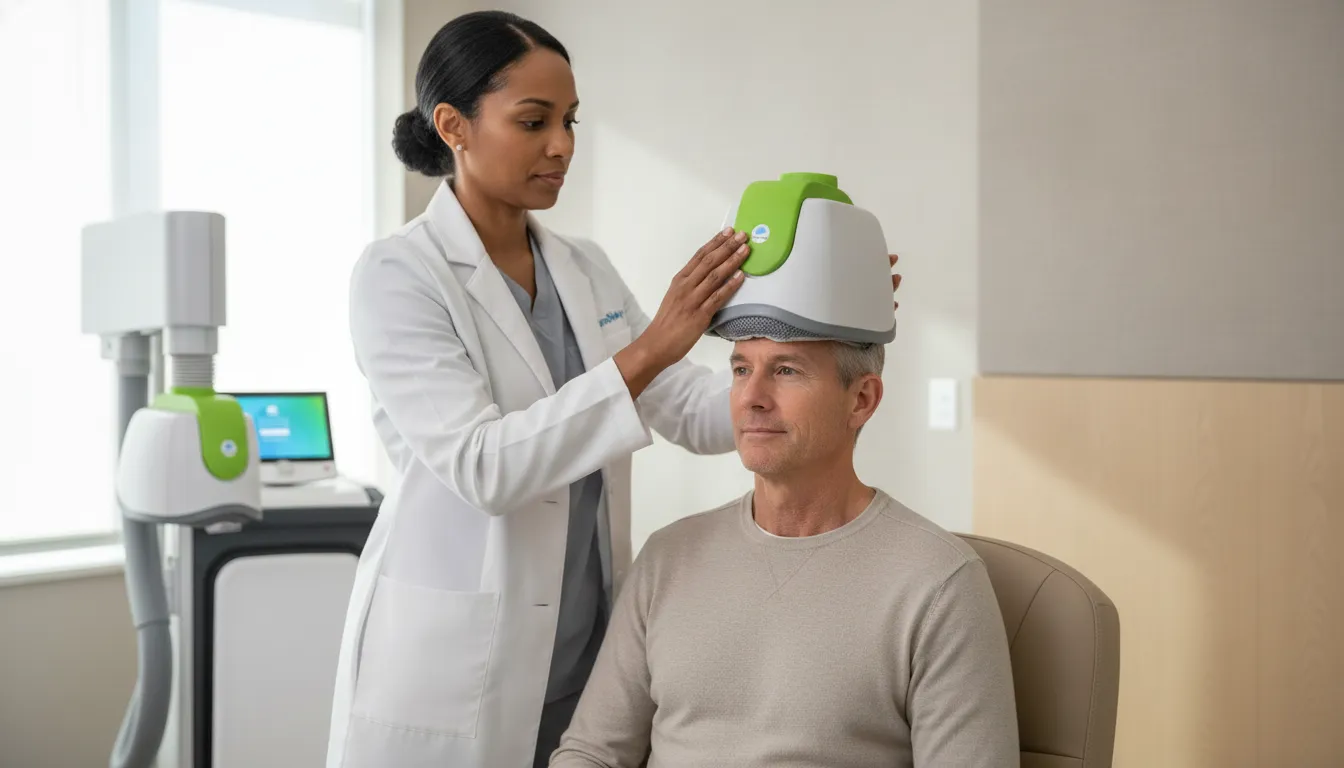
You remain awake and seated while the TMS device delivers magnetic pulses to targeted areas of the brain. Sessions are conducted in the clinic under the direction of trained professionals. Before treatment begins, your clinician will review what the procedure feels like, answer practical questions, and discuss any concerns about your individual care plan.
Schedule Your Denver Consultation
A consultation can help you review whether TMS therapy fits your diagnosis, treatment history, and goals. You can also verify insurance coverage and discuss the next steps with the Relief Mental Health team. To schedule a consultation at Relief Mental Health Denver, contact us online.