Failing two or more antidepressants often leaves patients feeling stuck in a cycle of constant sadness. TMS therapy breaks this cycle by sending focused magnetic waves into the parts of the brain that regulate emotions. This simple method helps your neurons talk better without the need for surgery or sedation.
For patients asking, how does TMS therapy work?, the process is highly precise: this non-invasive treatment uses focused magnetic pulses to stimulate specific brain regions responsible for mood regulation. The treatment uses an electromagnetic coil to send these pulses through the scalp to reach the prefrontal cortex and help neurons talk. According to the National Institute of Mental Health , these magnetic fields induce safe currents that activate brain tissue to treat mental health disorders. Because TMS is non-invasive and does not require anesthesia, patients remain awake and can return to their daily routines right away after each session. This building process helps the brain strengthen its internal links over several weeks of consistent daily treatment to provide long term relief.
Understanding the science behind this care is the first step toward finding relief from persistent symptoms. Read our guide to TMS Therapy for Depression: How It Works, Who Qualifies, and What to Expect for more specifics. The path to finding long term relief begins by exploring Transcranial Magnetic Stimulation (TMS). Let’s define what it is and how it works.
What Is Transcranial Magnetic Stimulation (TMS) and How Does TMS Therapy Work?
Transcranial Magnetic Stimulation, or TMS, is a highly effective, evidence-based treatment for individuals struggling with major depression and other mood disorders. As a non-invasive option, it does not require surgery, anesthesia, or hospital stays. Instead, it utilizes targeted magnetic fields to stimulate specific areas of the brain that regulate emotion and mood. For individuals who have not found relief through traditional antidepressants or psychotherapy, TMS offers a clinically proven path forward. Key characteristics of this innovative care include:
- FDA-Cleared: TMS is FDA-cleared for major depressive disorder (MDD) and obsessive-compulsive disorder (OCD).
- Non-Invasive: The treatment is performed entirely from the outside of the body with no surgical incisions or injections required.
- No Anesthesia: Since the treatment does not involve sedation, patients remain awake and alert throughout their sessions.
- Targeted Care: Rather than circulating through the entire body like oral medications, TMS acts directly on the brain regions associated with mood control, minimizing systemic side effects.
A simple look at how it works
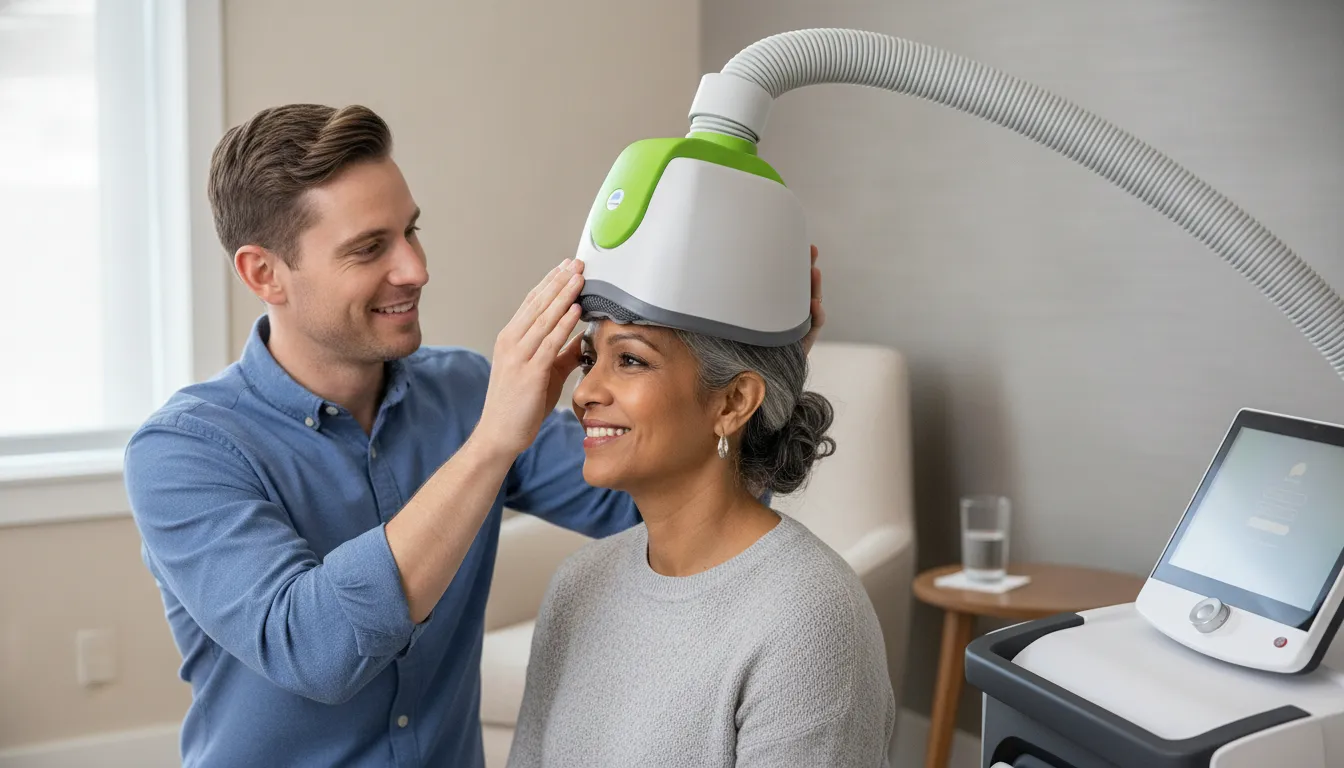
You may wonder how TMS therapy works in a real session. When you arrive, you sit in a soft, padded chair. You do not need any drugs to go to sleep. You stay fully awake and alert the whole time. A trained person places a small, handheld coil against your head. This coil is a special piece of gear. It sends quick pulses of magnetic energy into your brain. These pulses reach the specific areas that need more help. This process helps your brain cells work together better. It is a calm process that takes less than an hour.
The coil stays on the outside of your head. It does not touch your brain. Instead, the magnetic force passes through the scalp and bone. This is a targeted way to reach the right spots. You can relax while the machine does its work. You can even watch TV or listen to music. The team at the clinic will make sure you are comfortable. They will adjust the settings just for you. This makes the care unique to your needs. Most people feel very safe during the whole visit.
Safe technology you can trust
The magnetic pulses in TMS are not new or scary. They are very much like the pulses used in an MRI machine. These pulses have a similar strength to those scans. While the risk of a seizure is extremely low, clinicians thoroughly screen patients for risk factors prior to starting treatment. The treatment is gentle and typically well-tolerated. Most patients say it feels like a light tapping on the scalp. Because you do not need drugs to sleep, you can drive yourself home right away. You can go back to your day as soon as the session ends.
Why doctors use magnetic fields
TMS focuses on parts of the brain that control feelings. In people with depression, these areas may be less active than they should be. The magnetic pulses help to jump start these regions. This helps the brain return to a healthy state over time. This method is backed by many clinical studies. It is an expert care option that fits into a busy life. Each visit is short and easy to finish. Most people find it a calm and helpful part of their health plan. It is a key tool for modern mental health care.
By using magnetic fields, doctors can reach deep brain areas. They do this without the side effects of many pills. You will not feel sleepy or foggy from the treatment. It is an exact way to help your mood. Many clinics use this tool to help patients who feel stuck. It is a well-known and trusted way to find relief. If you have tried many drugs without luck, TMS may be for you. It is a simple step toward feeling better. Talk to an expert to see if it is the right move for your health.
How Do Magnetic Pulses Treat Depression?
To understand how TMS therapy treats depression, it helps to view the procedure as a bridge between physics and biology. The treatment begins with a specialized electromagnetic coil resting gently against your scalp. This coil generates a highly focused magnetic field that passes through the skull entirely painlessly and non-invasively. Reaching the brain’s targeted mood-regulating centers without requiring surgical incisions, anesthesia, or systemic medications.
Rather than affecting the entire body, the magnetic energy used in TMS is concentrated precisely on specific areas. Such as the prefrontal cortex, which are known to be underactive in individuals experiencing clinical depression. By confining the magnetic pulses to these localized neural networks, TMS avoids the systemic side effects, such as weight gain, nausea, and sexual dysfunction, frequently associated with oral antidepressant medications. This makes TMS an exceptionally targeted, localized solution for a complex neurological challenge.
Making Tiny Electrical Currents
When the magnetic pulses reach your brain, they do not just sit there. Instead, they cause a physical change. The shifting magnetic field creates tiny, safe electrical currents inside specific neurons.
These small currents help your brain cells talk to each other better. For people with depression, these neurons are often “asleep” or underactive. The currents act like a gentle nudge to wake them up and get them working again.
This method is part of a group of treatments known as brain stimulation therapies. Unlike other options, how our TMS therapy works is by using magnetism rather than direct electricity on the skin.
This makes the process much easier for the patient. It allows the pulses to reach deep enough to target mood centers without the systemic side effects or recovery times linked to other forms of brain stimulation. You can sit in a chair and relax while the machine does the work.
Increasing Brain Activity
Clinicians typically utilize a specific type of TMS known as high-frequency stimulation. During this process, the magnetic pulses are delivered at a rapid rate, typically several times per second. Extensive medical research shows that high-frequency TMS can significantly increase cortical excitability. In simpler terms, it makes it easier for your brain cells to fire, communicate, and transmit vital signals across neural networks. When these signals begin to move properly, a patient’s mood, sleep, and overall energy levels often begin to improve.
Of course, a single magnetic pulse is not enough to resolve a chronic mood disorder. For the treatment to be effective, it must be administered repetitively, a method known as Repetitive Transcranial Magnetic Stimulation, or rTMS. By delivering a rapid series of precisely calibrated pulses over several consecutive weeks, the brain begins to adapt. Strengthening its neural pathways and creating lasting changes in brain activity that persist long after the treatment course is complete. It works like physical exercise for the brain’s mood centers, gradually building neurological strength with every session.
Because the pulses are so focused, the treatment does not cause the system-wide side effects often found with medication. The magnetic energy stays in the specific areas that control mood. This focus is a key part of how the therapy helps people who have not found relief from standard drugs or talk therapy.
Each session builds on the last. This helps to create a stronger and more stable brain network for long-term health.
What Happens in the Brain During TMS?
To understand what happens in the brain during TMS, it is helpful to look at how brain cells communicate. The brain relies on complex electro-chemical networks to process information and regulate mood. When someone struggles with severe depression, the electrical signaling in these key areas slows down or becomes underactive. TMS magnetic pulses act as an external catalyst, safely stimulating these dormant pathways and encouraging the brain to resume healthy signaling.
Reaching the target area
The first step in how our TMS therapy works is reaching the right spot. The TMS device makes a focused magnetic field that goes through your scalp and bone. This field is precise and only hits the parts of the brain that control your mood.
Once the field reaches these areas, it makes safe, tiny electric currents in your brain cells. These small jolts tell your neurons to start firing and talking to each other again. This process helps your brain work more like it should when you are not feeling low.
The role of the prefrontal cortex
TMS mostly targets a part of the brain called the prefrontal cortex. This area sits right behind your forehead and acts like a control center for your feelings. In people with deep depression, this part of the brain often becomes slow. It does not send enough signals to the other mood centers in your head.
By using magnetic pulses, TMS helps wake up this quiet region. The goal is to get these brain cells to stay active on their own over time. This can lead to long-term changes in how your brain handles stress and joy. It is a way to fix the natural roots of your mood without using pills.
Help for treatment-resistant depression
Many people turn to TMS when other options fail to help. Doctors often suggest this care for patients with treatment-resistant depression who have tried two or more antidepressants. Pills can work well for some, but they do not always fix the signal issues in the prefrontal cortex.
TMS gives a new path for those who still feel stuck. Instead of changing brain chemicals with a pill, it uses physics to boost brain work. This targeted help can spark life in parts of the brain that have been slow for a long time. It helps the brain build new, healthy habits for mood control.
As you go through your sessions, these brain changes start to add up. The neurons learn to fire more often and more strongly. This steady growth in brain work is why many people start to feel better after a few weeks of care. It is a slow, safe way to help your brain heal itself.
What Does a TMS Session Feel Like?
When you start care for depression, knowing what to expect can help you feel at ease. A Transcranial Magnetic Stimulation (TMS) session is a simple, outpatient process. Unlike other care, it does not use drugs to make you sleep. You stay fully awake and alert while the device works to help your brain heal. Many people find it easy to fit into a busy day because it is quick and has few risks.
A simple outpatient process
The core of how TMS therapy works for depression is a series of magnetic pulses. These pulses reach the parts of your brain that control your mood. Since the care is non-invasive, you do not need surgery or time to heal. You can talk to the staff or just relax during your visit. Most people say the care feels like a light tapping on the scalp. This usually feels less intense after the first few visits.
Safety is a top goal during each session. The treatment is designed to minimize risk; clinical studies show that seizures are extremely rare. And TMS does not cause the memory loss or cognitive side effects often associated with electroconvulsive therapy (ECT). The National Institute of Mental Health notes that these sessions are safe and work well for many. Most side effects are mild. You might feel a slight headache or tingling where the coil touches your head.
The typical session steps
Most people follow a steady plan for several weeks to see the best results. Each visit follows a clear set of steps to keep you safe and comfortable.
- Get settled in the chair. You will sit in a soft chair in a quiet room. You do not need to change clothes or do anything to prepare.
- Place the magnetic coil. A staff member will place a small device against your head. This coil sends the magnetic pulses to the exact spot in your brain that needs help.
- Start the session. Once the coil is in place, the session begins. You will hear a clicking sound and feel a light tapping on your scalp. Sessions usually last 20 to 30 minutes.
- Stay awake and alert. You will stay awake the whole time. You can listen to music or talk to the staff while the device works.
- Finish and head home. When the session ends, you can get up and leave. Since no drugs are used to make you sleep, you can drive home or go back to work right away.
Daily visits for lasting change
To help your brain build new paths, you will likely need to come in 5 days a week for some weeks. This steady pace helps your brain cells learn how to talk better over time. Many people start to feel a lift in their mood after just a few weeks of care. Because the visits are short, they are easy to add to your normal morning or lunch plans.
How Is TMS Different from ECT or Other Brain Stimulation Therapies?
When you look for help with depression, you have many choices. Most people start with talk therapy or meds. If those do not work, your doctor might suggest brain stimulation therapies . These treatments use magnets or electric pulses to help your brain work better. While they all aim to lift your mood, they work in different ways.
TMS vs Electroconvulsive Therapy (ECT)
ECT is an older and well-known treatment. It uses a small electric current to cause a short seizure in the brain. Because of this, you must have anesthesia to sleep through the process. You also need to stay in a hospital or a clinic for the day. While ECT can help many people, it can cause memory loss or brain fog.
TMS is distinct because it is completely non-invasive and does not require general anesthesia or sedation. Patients remain awake and alert for the entire session, which makes it far more convenient to fit into a busy day. You can learn more about how does TMS therapy work safely before you start your first visit.
How TMS Differs from Oral Medication
Pills are systemic, which means they go through your whole body. They can cause weight gain, sleep issues, or an upset stomach. TMS targets only the part of your brain that controls mood. It uses magnetic pulses to help those areas wake up. These pulses do not affect the rest of your body, so you avoid most side effects that come with meds.
Another big plus is that TMS is non-sedating. Since you do not need anesthesia, you can drive yourself to and from the clinic. Most people go right back to work or school after their session. You do not need to take time off to get well after the treatment. This makes it a great choice for people who need to stay active while they get better.
Key Differences at a Glance
Doctors use these tools to change how brain cells talk to each other. Below is a quick look at how TMS stacks up against other common ways to treat depression. You can see how each method works and what to expect from the side effects.
| Feature | TMS Therapy | ECT | Oral Meds |
|---|---|---|---|
| Invasiveness. | Non-invasive. | Invasive. | Systemic. |
| Anesthesia needed. | None. | Yes. | None. |
| Common side effects. | Mild scalp tapping. | Memory loss. | Weight gain, nausea. |
| Main mechanism. | Magnetic pulses. | Electric currents. | Chemical changes. |
Choosing the right path depends on your health needs. TMS treats the brain directly without the heavy side effects of meds. It also avoids the recovery time that comes with ECT. Talk to your care team to see if this method fits your goals and your life.
Frequently Asked Questions
What conditions can TMS therapy treat?
TMS is a helpful tool for mental health care. The NIMH says the FDA cleared it to treat major depression and obsessive-compulsive disorder. Doctors may also use it for bipolar disorder. Experts are now testing its use for anxiety and PTSD. It is a solid choice for those who do not get better with drugs. At Relief Mental Health, we use it to help patients with deep mood issues.
How effective is TMS for treatment-resistant depression?
TMS is often for patients who tried two or more drugs without luck. According to Relief Mental Health , it is a proven way to treat major depression. The gains from this care are cumulative. This means most people feel a lift in their mood after a few weeks of daily visits. It offers a new path for those who felt stuck with their care. It works by reaching deep brain spots that control your mood.
Does TMS therapy use electrical currents?
TMS does not use a direct electrical hookup. Instead, it uses magnetic fields like those in an MRI. The National Institutes of Health explain that these fields induce small electrical currents in the brain. These tiny pulses help brain cells talk to each other better. This process changes how brain circuits work to help lift a heavy mood. It is widely recognized as safe, with an extremely low risk of seizures, and does not require the anesthesia or recovery time associated with other brain stimulation therapies.
Can I drive home after a TMS session?
Yes, you can drive yourself home right after your session ends. TMS is a non-invasive care option that does not use any drugs to make you sleep. As noted by Relief Mental Health , patients are awake and alert the whole time. You do not need a driver or a ride-share to get to or from our clinic. Most people return to their work or daily tasks as soon as they leave their appointment.
Ready to schedule a consultation and find relief?
If you are struggling with depression or a complex mood disorder, you do not have to navigate the path to healing alone. Reaching out for professional care is a supportive and empowering step toward reclaiming your wellness and improving your long-term quality of life. By starting TMS therapy with us, you can open the door to meaningful, evidence-based change under the guidance of compassionate clinical experts.
Ready to schedule a free consultation? Call (855) 205-4764 to schedule a free consultation and start your path to better mental health today with the help of our clinic team. Our experts are here to answer your questions and help you find the best care for your specific needs right now.
Ready to Find Relief?
We’re Here to Help.
Our team offers personalized, evidence-based care for depression, anxiety, OCD, PTSD, and more — including Deep TMS™, SPRAVATO®, and IV ketamine. Reach out today and we’ll help you find the right path forward.