Starting a new treatment often brings practical questions. Will it hurt? Can you drive afterward? What happens if you develop a headache or feel dizzy? These questions are especially important when considering BrainsWay Deep TMS™, a treatment that uses magnetic pulses rather than medication. Most tms side effects are mild and temporary, but no medical treatment is completely risk-free. Your experience may depend on your diagnosis, treatment settings, medication, sleep, and overall health. This guide covers common and uncommon reactions, serious warning signs, ways to improve comfort, and the steps to take if something does not feel right.
Ready to Find Relief?
We’re Here to Help.
Our team offers personalized, evidence-based care for depression, anxiety, OCD, PTSD, and more — including Deep TMS™, SPRAVATO®, and IV ketamine. Reach out today and we’ll help you find the right path forward.
Key Takeaways
- Most TMS side effects are mild and temporary: Headaches, scalp tenderness, tapping sensations, facial twitching, dizziness, and fatigue may occur during or after treatment.
- Report changes early: Tell your clinician about persistent or worsening symptoms, hearing changes, sleep disruption, anxiety, agitation, mood shifts, or unusual behavior. Track when symptoms begin, how long they last, and how severe they feel.
- Know when to seek urgent help: Call emergency services for a seizure, loss of consciousness, severe confusion, serious injury, or immediate safety concern. Call or text 988 in the United States if you are experiencing suicidal thoughts or cannot stay safe.
What Is BrainsWay Deep TMS™ and How Does It Work?
BrainsWay Deep TMS™ is a noninvasive treatment that uses magnetic pulses to stimulate specific areas of the brain. TMS stands for transcranial magnetic stimulation. The treatment device rests outside the head and delivers targeted stimulation through the scalp and skull.
Unlike medication, which travels through the body, TMS focuses stimulation on brain regions involved in mood, emotional processing, or repetitive thoughts and behaviors. Treatment does not require surgery or anesthesia, and you remain awake during each session.
Before recommending TMS, a clinician reviews your diagnosis, symptoms, medical history, medications, and previous treatment. This assessment helps the care team determine whether TMS may be appropriate and how to plan treatment safely. You can review Relief Mental Health’s TMS treatment information before discussing your options with a provider.
Target the brain with magnetic pulses and neuroplasticity
During a session, the device sends magnetic pulses to a targeted area of the brain. These pulses create small electrical currents in nerve cells. With repeated stimulation, TMS may support neuroplasticity, which is the brain’s ability to adapt and form new patterns of activity.
The goal is not to stimulate the entire brain. Instead, the clinician focuses on areas associated with the symptoms being treated. The treatment location, pulse strength, and session settings may vary based on your diagnosis and response.
Your provider monitors your comfort and symptoms throughout the treatment course. Changes may take time, and results can vary from person to person. Yale Medicine explains how TMS works, including how magnetic stimulation may support treatment for depression and OCD.
Treat diagnoses such as depression and OCD
TMS has been cleared for specific uses, including major depressive disorder and obsessive-compulsive disorder. A provider may discuss it when symptoms continue despite medication, therapy, or other psychiatric treatment. Your treatment team will consider your individual diagnosis and treatment history before making a recommendation.
TMS may be included in a broader care plan with psychiatry, medication management, or therapy. It does not automatically replace these services. Some patients continue taking medication or attending therapy while receiving TMS, depending on guidance from their clinicians.
A complete evaluation helps your provider understand your symptoms and identify appropriate treatment options. Relief Mental Health provides care for several psychiatric diagnoses, including depression and OCD. Your provider can explain whether BrainsWay Deep TMS™ may fit your needs and what other treatments may be considered.
Use noninvasive stimulation without anesthesia or radiation
TMS does not involve surgery, anesthesia, or radiation. You remain awake and alert during treatment, and many people return to their usual activities afterward. Since sedation is not required, you do not typically need recovery time after a session.
You may hear clicking sounds and feel tapping or pressure near the treatment area. Some people experience temporary scalp tenderness, a headache, or movement in nearby facial muscles. The clinician can adjust the stimulation settings and help you take breaks when needed.
TMS is generally well tolerated, but it is not risk-free. Before treatment begins, your provider should explain common and uncommon side effects. Understanding what to expect can help you distinguish typical sensations from symptoms that require clinical review.
Review eligibility, medications, and health history
A safety screening is an important part of the first appointment. Tell your provider about any history of seizures, head trauma, fainting, neurological diagnoses, or hearing concerns. You should also mention metal or electronic implants in or near your head and neck, since some devices may affect whether TMS is appropriate.
Bring a complete list of prescription medications, over-the-counter products, vitamins, supplements, alcohol use, and other substances. Some factors may affect seizure risk or influence treatment planning. Do not stop a medication or change its dose unless your prescribing clinician tells you to do so.
Tell your provider if you are pregnant or recently experienced a head injury. Ask questions about hearing protection, treatment intensity, breaks, and symptoms to report. Sharing complete information gives your clinical team the details needed to plan treatment safely.
What Can Patients Expect During TMS Treatment?
Starting BrainsWay Deep TMS™ treatment usually begins with a detailed clinical review, followed by a series of in-office sessions. Your treatment team will explain each step, answer your questions, and adjust the process based on your medical history, symptoms, and comfort.
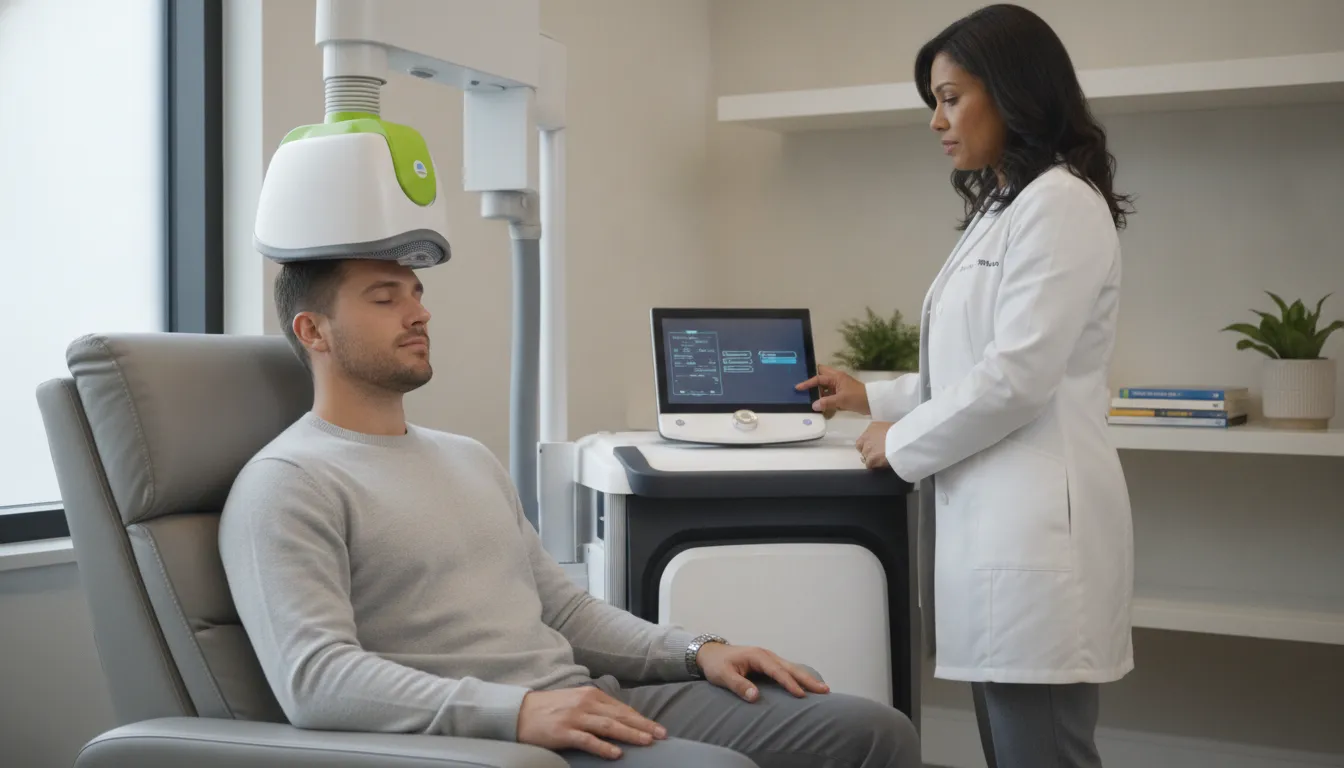
TMS does not require anesthesia, needles, or surgery. You remain awake during treatment and can usually communicate with your clinician throughout the appointment. Most sessions follow a familiar routine: you sit in a treatment chair, the clinician positions the device, and magnetic pulses are delivered to a targeted area of the brain.
Your first appointment may take longer because the team needs to complete safety screening, review your treatment history, and establish your stimulation settings. Later appointments are typically more straightforward. Knowing what to expect can make your first session feel more manageable.
Complete intake, diagnosis review, and medication reconciliation
Your first appointment includes an intake with a trained clinician. The team will review your diagnosis, symptoms, treatment history, and previous response to medication or therapy. Bring an up-to-date list of prescription medications, over-the-counter products, vitamins, and supplements.
This review helps your provider determine whether BrainsWay Deep TMS™ may be appropriate and establish a baseline for tracking symptoms. Do not stop, start, or change medication before TMS unless the prescribing clinician tells you to do so.
Follow-up appointments may include symptom questionnaires and conversations about sleep, mood, daily functioning, and new concerns. Regular follow-up after treatment can help your clinician monitor your response and plan next steps, as recommended by the Clinical TMS Society.
Screen for seizures, head trauma, implants, metal, hearing concerns, and pregnancy
Before treatment, your provider will ask about factors that may affect TMS safety. Tell the team about any personal or family history of seizures, head trauma, neurological diagnoses, fainting, or unexplained loss of consciousness. You should also mention metal in or near your head, surgical clips, shrapnel, cochlear implants, deep brain stimulators, pacemakers, or other implanted devices.
Share any hearing concerns, tinnitus, recent medication changes, and the possibility of pregnancy. These details help your clinician decide whether TMS is appropriate and whether the treatment plan needs specific adjustments.
Certain metal objects and implanted devices may prevent a patient from receiving TMS. Providing complete information during screening allows your care team to review potential risks before treatment begins. Yale Medicine’s TMS safety guidance explains why this review is an important part of the process.
Map the treatment area and set stimulation intensity
At the beginning of treatment, the clinician positions the device over a specific area of your head. The team then maps the treatment site and determines the stimulation level for your sessions.
You may hear this process described as finding your motor threshold. The clinician delivers brief pulses while observing a small movement, such as a thumb twitch. This helps identify the lowest stimulation level that produces the expected response. Your treatment settings are based on this assessment.
The clinician will use consistent positioning during later sessions to target the intended area accurately. Settings may be adjusted if the stimulation feels too intense or your comfort changes. Tell the team how the process feels rather than trying to tolerate discomfort without speaking up.
Feel tapping, clicking, pressure, or facial muscle sensations
During treatment, you may feel tapping or light-to-moderate pressure against your scalp. The pulses often arrive in short bursts followed by brief pauses. You may also hear clicking from the device or notice tingling and movement in nearby facial muscles.
These sensations can feel unfamiliar at first and may become easier to recognize as appointments continue. Tell your clinician if the tapping feels painful, the pressure becomes uncomfortable, or facial movement bothers you. The provider may pause treatment or adjust the device’s position and stimulation level.
TMS is noninvasive, but that does not mean every sensation will feel the same for every patient. Discuss your experience during and after each session so your treatment team can respond appropriately.
Use hearing protection, communication, breaks, and comfort adjustments
Your provider may offer earplugs or other hearing protection because the device produces repeated clicking sounds. Use hearing protection as directed, and tell the treatment team if you notice ringing, discomfort, or increased sensitivity to sound.
You can usually communicate with the clinician during treatment. Let the team know if you need a pause, water, a position change, or a lower stimulation level. Relaxing your jaw and shoulders may also make the session more comfortable.
Arrive hydrated and follow your provider’s instructions about eating before treatment. If you feel lightheaded, anxious, or unwell, report it right away. The team can help distinguish expected sensations from symptoms that require closer review.
Attend multiple sessions, track symptoms, and resume daily activities
TMS is provided as a series of appointments rather than a single visit. Many treatment plans involve sessions five days a week for several weeks, although your schedule depends on your diagnosis, treatment goals, response, and clinical recommendations.
Your team may ask you to track changes in mood, sleep, anxiety, concentration, or other symptoms between appointments. Mention side effects and changes in your routine, even if they seem minor. This information helps your provider assess your response and make appropriate adjustments.
Many patients can drive to and from treatment and return to their usual activities afterward. Ask your provider about driving if you feel dizzy, fatigued, or otherwise unwell after a session. Continue follow-up with your psychiatric provider after the final appointment so your symptoms and ongoing treatment needs receive appropriate attention.
What Are Common TMS Side Effects?
BrainsWay Deep TMS™ is generally well tolerated, but some patients notice temporary side effects during or shortly after treatment. Most reactions involve the scalp, head, or nearby facial muscles because the magnetic pulses stimulate a specific area of the brain and surrounding tissues. Your treatment team can adjust the stimulation settings, coil position, or session pacing if discomfort occurs.
Side effects can vary based on the treatment protocol, stimulation intensity, personal sensitivity, and medical history. Before starting treatment, tell your provider about neurological diagnoses, head injuries, seizure history, medications, and any symptoms you already experience. The Mayo Clinic’s overview of transcranial magnetic stimulation notes that common reactions are usually mild and often resolve soon after a session.
Headaches and head pressure
Headaches are among the most frequently reported side effects of TMS. You may notice a dull ache, tightness, or pressure near the treatment area. Some patients feel discomfort during stimulation, while others notice a headache shortly after the session. These sensations may occur as the scalp and nearby muscles adjust to repeated magnetic pulses.
Headaches often become less noticeable as treatment continues. Tell your clinician if the pain feels severe, lasts longer than expected, or interferes with work, sleep, or daily activities. Your provider may review the stimulation settings or recommend an approved comfort measure. Do not start, stop, or change a medication without asking your care team first. The Mayo Clinic explains that TMS-related headaches may respond to over-the-counter pain relievers, but your provider should confirm what is appropriate for you.
Scalp tenderness, tingling, or irritation
The treatment coil rests against the scalp, so you may feel tapping, tingling, pressure, or mild pain where stimulation occurs. Some patients describe the sensation as repetitive knocking or brief prickling. Mild scalp tenderness may continue for a short time after the session.
These sensations often become less noticeable as your scalp adjusts to treatment. Tell your clinician if stimulation feels too intense, your scalp remains painful, or you notice irritation that does not improve. Your care team can check the coil placement, adjust the intensity, or provide a short break. Avoid applying products to the treatment area unless your provider says they are appropriate. If discomfort continues between sessions, mention it before your next appointment so the team can review it.
Facial or jaw twitching
TMS can stimulate nearby muscles in the scalp, forehead, face, or jaw. You might notice a brief twitch, tightening, or tapping sensation during a magnetic pulse. These movements can feel unusual, but minor contractions are a recognized treatment effect and typically stop when stimulation pauses.
Tell your clinician when twitching occurs, especially if it feels painful or makes it difficult to remain comfortable. The treatment team can review the coil position and stimulation level. Try to keep your face and jaw relaxed during the session, but do not force your muscles to remain still. If you develop persistent facial movement, weakness, severe pain, or symptoms that continue well after treatment, contact your provider for clinical guidance.
Lightheadedness, dizziness, or fatigue
Some patients feel briefly lightheaded or dizzy during or after a TMS session. Fatigue can also occur, particularly while you adjust to a new treatment schedule. These symptoms are usually short-lived, but tell your clinician when they happen so your response can be documented and reviewed.
Take your time when sitting up or standing after treatment. If you feel unsteady, ask for assistance rather than leaving the treatment area alone. Your provider may recommend a brief pause, hydration, or another appropriate adjustment. Avoid driving until you feel alert and steady. Contact your clinic if dizziness persists, becomes severe, or occurs with fainting, confusion, weakness, chest pain, or another concerning symptom.
Understand timing, duration, and severity
Pay attention to when a symptom starts, how long it lasts, and whether it improves between sessions. A mild headache that fades shortly after treatment is different from severe or worsening head pain. Brief scalp tingling is also different from ongoing numbness, significant irritation, or pain that interferes with sleep and daily activities.
Keep a simple record of your symptoms, including their severity and duration. Note whether you ate, slept well, took medication, or experienced unusual stress before treatment. Share this information during appointments. The Washington Behavioral Medicine Associates guide to TMS side effects explains that many reactions become less noticeable over time, but persistent or worsening symptoms still deserve clinical review.
Use approved comfort steps and report concerning symptoms
Your provider may recommend practical ways to stay comfortable, such as taking a short break, adjusting stimulation intensity, changing coil positioning, or using an approved pain reliever. Ask before taking any medication, including an over-the-counter product, because your medical history and current prescriptions matter.
Arrive rested, drink enough fluids, and tell your clinician if you have not eaten or feel unwell before a session. During treatment, speak up if the sensation becomes too strong. Contact your TMS provider about persistent headaches, scalp pain, dizziness, fatigue, ringing in the ears, new anxiety, or a noticeable mood change. Seek urgent help for a seizure, loss of consciousness, severe confusion, serious injury, or immediate safety concerns. Do not stop TMS or change psychiatric medication without first speaking with your treatment team.
What Are Uncommon TMS Side Effects?
BrainsWay Deep TMS™ is generally well tolerated, but no medical treatment is completely risk-free. Most patients experience mild, temporary effects near the treatment area, such as scalp discomfort, facial muscle movement, or a headache. Less common reactions can also affect hearing, digestion, sleep, anxiety, or mood.
Uncommon does not mean impossible. It also does not mean TMS caused every symptom that appears during treatment. Medication changes, poor sleep, caffeine, alcohol, stress, and an underlying diagnosis can influence how you feel during a treatment series. Share new or unexpected symptoms with your TMS clinician so they can review the timing, severity, and possible causes.
The treatment team may adjust the stimulation settings, add a break, review your medications, or recommend another type of medical evaluation. Do not stop TMS or change a prescribed medication without speaking with your provider first.
Ringing in the ears or sound sensitivity
Some patients notice temporary ringing in the ears, muffled hearing, or increased sensitivity to sound during or after a session. The TMS device produces clicking sounds, and the treatment coil sits close to the head. Wearing the hearing protection provided by your clinic can reduce sound exposure. The Mayo Clinic explains how ear protection can help limit auditory effects during TMS.
Tell your clinician if you develop ringing, ear pain, muffled hearing, or discomfort with ordinary sounds. Contact the clinic promptly if the symptom is severe, continues after treatment, or affects your ability to hear. Your provider may review the equipment, check how the ear protection fits, or recommend an appropriate hearing evaluation.
Nausea or stomach discomfort
Nausea and stomach discomfort are uncommon during TMS, but research has reported these symptoms. In one systematic review of repetitive TMS in older adults with depression, nausea and stomach discomfort occurred in about 0.3% of reported cases. The findings are available through the National Library of Medicine’s PubMed Central database.
Tell your treatment provider if you feel nauseated during a session. Arriving hydrated and having a light meal beforehand may help some patients, but do not force yourself to eat if you feel unwell. Your clinician can review whether the symptom may relate to TMS, a medication, dehydration, low blood sugar, or another cause. Seek prompt medical guidance for repeated vomiting, severe abdominal pain, fainting, or symptoms that do not improve.
Sleep changes, restlessness, or temporary anxiety
Some patients notice sleep changes during a TMS series. You may feel more tired, have increased energy, or find it harder to settle down at night. Restlessness and temporary anxiety can also occur. Irritability or tearfulness may provide additional information about how your mood is changing.
Keep a simple record of your sleep, energy, anxiety, and mood between appointments. Write down when each change began, how long it lasted, and whether it followed a treatment, medication adjustment, or major change in your routine. This information can help your provider identify patterns and decide what to do next.
Contact your TMS clinician if you need much less sleep, feel unusually restless, or experience anxiety that interferes with daily activities. Sleep changes may have several possible causes, so your provider should review them before making treatment decisions.
Agitation, panic symptoms, or mood changes
Unexpected agitation, panic symptoms, irritability, tearfulness, or a noticeable mood shift should be reported. Some people experience a strong emotional response during treatment, while others notice changes between sessions. These reactions do not automatically signal a serious problem, but they should not be ignored.
Pay attention to changes in behavior as well as how you feel internally. Racing thoughts, impulsive decisions, unusual confidence, or a sharp increase in activity can be important details for your psychiatric team. A trusted friend or family member may notice changes before you do, so consider asking someone close to you to check in during treatment.
Your provider may review stimulation settings, sleep, medications, substance use, and psychiatric history. If agitation becomes intense, panic feels unmanageable, or you feel unsafe, contact your provider promptly or seek urgent support.
Seek clinical review for unexpected symptoms
Report new symptoms early, even if you are unsure whether TMS caused them. Your clinician can assess when the symptom started, how long it lasts, whether it appears during treatment, and whether another explanation is more likely. This information helps the team respond appropriately instead of leaving you to manage the symptom alone.
Contact your provider promptly about hearing changes, persistent nausea, severe anxiety, agitation, major sleep disruption, or a sudden mood shift. Seek emergency help for a seizure, loss of consciousness, severe confusion, or serious injury. If you have suicidal thoughts or feel unable to stay safe, call emergency services or contact a crisis service in your area immediately.
Continue attending scheduled psychiatric follow-ups and share relevant information about medications, supplements, alcohol, sleep, and other substances. Your care team can then decide whether to continue treatment as planned, make a comfort adjustment, or arrange additional medical review.
What Are the Rare, Serious Risks of TMS?
TMS is generally well tolerated, but no medical treatment is completely risk-free. Serious reactions are rare, and careful screening helps the clinical team identify factors that may increase risk before treatment begins. Before starting, your provider should review your neurological history, diagnoses, medications, sleep, substance use, and any previous head injuries.
During treatment, tell the clinician about any new or unusual symptom, even if it seems unrelated. The team can pause the session, assess what happened, adjust the treatment plan, and decide whether you need additional medical support. Relief Mental Health’s TMS treatment program includes clinical evaluation and monitoring throughout care.
Ask your provider what to expect during treatment and how the clinic handles urgent symptoms. You should know how to signal discomfort, request a break, and report changes between sessions. If you experience a serious symptom, do not wait for your next appointment to mention it.
Recognize seizures and factors that increase seizure risk
A seizure is the most serious known risk associated with TMS, but it is extremely rare. One review reported seizures in fewer than 0.01% of treatment sessions. The risk may be higher for people with a personal history of seizures or epilepsy, significant head trauma, certain neurological diagnoses, severe sleep deprivation, alcohol or substance withdrawal, or medications that can lower the seizure threshold.
Share your complete medication and supplement list with your provider. Include recent medication changes, missed doses, recreational substance use, and heavy alcohol use. Do not stop a prescription on your own. Your clinician will decide whether TMS is appropriate and whether treatment settings or scheduling should be adjusted. The Mayo Clinic’s TMS guidance also recommends reviewing seizure risk before treatment.
If a seizure occurs, the team should stop stimulation and follow emergency procedures. Seek urgent medical care after a suspected seizure, especially if it is a first seizure, lasts longer than expected, causes an injury, or is followed by prolonged confusion.
Monitor for mania or hypomania with bipolar-spectrum risk
TMS may rarely trigger mania or hypomania, particularly in people with a bipolar-spectrum diagnosis or other risk factors for elevated mood. Signs may include a reduced need for sleep, racing thoughts, unusually high energy, rapid speech, impulsive behavior, irritability, or a feeling that your thoughts are moving unusually fast. The Mayo Clinic identifies mania and hypomania as rare potential risks of TMS.
Tell your provider about any personal or family history of bipolar-spectrum diagnoses, past periods of unusually elevated mood, or previous reactions to antidepressants. Your clinician may coordinate TMS with psychiatric medication management and monitor your sleep and mood more closely.
Contact your provider promptly if you notice a clear change in sleep, energy, judgment, or behavior. Seek urgent help if you feel out of control, are acting dangerously, or have thoughts of harming yourself or someone else. Reporting changes early gives your treatment team more options for reviewing stimulation, medication, and next steps.
Report fainting, loss of consciousness, severe confusion, or injury
Fainting during TMS is uncommon. It may be related to anxiety, a vasovagal response, dehydration, hunger, or the stress of a medical procedure rather than the magnetic pulses themselves. Tell the clinician if you feel warm, nauseated, sweaty, lightheaded, or suddenly anxious.
Do not try to push through these symptoms. Let the clinician know immediately so they can pause treatment and help you sit or lie down safely. The Yale Medicine overview of TMS explains that clinical staff are trained to respond if fainting occurs.
Loss of consciousness, severe confusion, a fall, or an injury requires prompt assessment. Contact the clinic and follow its urgent-care instructions. Call emergency services for a serious injury, ongoing confusion, breathing problems, chest pain, or any symptom that feels life-threatening.
Protect hearing and understand the rare risk of hearing injury
TMS equipment makes a loud clicking sound during stimulation. Most patients use ear protection supplied by the clinic, which helps reduce sound exposure and makes treatment more comfortable. Even with protection, some people may notice temporary ringing, muffled hearing, or increased sensitivity to sound after a session.
Tell your provider before treatment if you have tinnitus, hearing loss, sound sensitivity, an ear injury, or another hearing concern. Wear the provided protection correctly during every session, and ask the clinician to check its fit if the sound feels uncomfortably loud. The Mayo Clinic explains the role of hearing protection during TMS.
Hearing injury is rare, but new or persistent ringing, pain, muffled hearing, dizziness, or a noticeable change in hearing should not be ignored. Report these symptoms before your next session. Your provider may pause treatment and recommend a hearing evaluation or other medical review.
Rely on emergency response and trained clinical supervision
TMS should take place under the supervision of clinicians trained to screen patients, operate the equipment, recognize adverse reactions, and respond to emergencies. Before starting, ask how the clinic reviews seizure risk, monitors mood changes, protects hearing, and handles fainting or other urgent symptoms.
During each session, the team should know your treatment settings, remain available for communication, and give you a way to signal discomfort. Tell staff if the stimulation feels too intense, if you need a break, or if you notice a new symptom. You do not need to wait until the session ends.
Keep your TMS provider, psychiatrist, and therapist informed, particularly after medication changes or major shifts in sleep and mood. Review Relief Mental Health’s treatment options and ask how its clinical team evaluates whether TMS is appropriate for your diagnosis and medical history.
How Serious Are TMS Side Effects?
For most patients, TMS side effects are mild, temporary, and limited to the area where treatment is delivered. Symptoms often occur during or shortly after a session and become less noticeable within the first few weeks. Still, TMS is not risk-free. Your clinical team should review your diagnoses, medications, neurological history, and current symptoms before treatment begins, then monitor your response throughout the treatment course.
Understand why most reactions are mild, temporary, and localized
Common reactions include scalp discomfort, mild headaches, pressure, tingling, or tenderness near the treatment site. These symptoms may occur during or shortly after a session and often improve within hours. The Mayo Clinic explains that most TMS side effects are mild, temporary, and localized.
Some patients notice more sensitivity during the first few sessions. Tell your clinician what you feel, when the symptom begins, and how long it lasts. Your team may adjust the stimulation intensity, coil positioning, or session pacing to improve comfort. Do not feel that you need to tolerate significant discomfort without speaking up.
Recognize that TMS is generally well tolerated but not risk-free
TMS does not involve surgery, anesthesia, or radiation, and many patients return to their usual activities after a session. Even so, every medical treatment has potential risks. Headaches, scalp discomfort, and facial muscle sensations are among the more common reactions. Yale Medicine describes TMS as generally safe and well tolerated, while noting that discomfort and headaches can occur.
Rare reactions need prompt medical attention. These may include a seizure, loss of consciousness, severe confusion, or an injury related to a fall. Before treatment, your clinician should screen for factors that may increase seizure risk and review any implants, metal, medications, alcohol use, or substances that could affect safety.
Separate expected sensations from warning signs
Tapping, clicking, pressure, or mild twitching near the forehead can be expected during treatment. You may also notice temporary scalp tingling, a mild headache, lightheadedness, or fatigue afterward. These sensations should remain manageable, and you should be able to communicate with your clinician throughout the session.
Contact your provider if a symptom is severe, lasts longer than expected, or changes suddenly. Ringing in the ears, hearing changes, intense dizziness, fainting, severe confusion, or unusual agitation should not be dismissed. Prompt reporting gives your team an opportunity to assess the symptom and decide whether stimulation settings, scheduling, or other parts of your treatment plan need to change.
Review memory, concentration, and long-term safety evidence
Memory concerns are common when people compare TMS with medication or other treatments. Current evidence does not suggest that TMS typically causes lasting memory problems. Some patients may notice temporary changes in concentration, fatigue, or mental sharpness, particularly when depression, poor sleep, anxiety, or medication changes are also present.
Your clinician should review any change in memory or concentration rather than assuming it came from TMS. Keep a brief record of when the symptom began, whether it follows a session, and how it affects daily activities. This information can help your provider consider TMS alongside sleep, stress, psychiatric diagnoses, and medication changes.
Distinguish side effects from symptom recurrence or medication changes
Not every difficult symptom after TMS is a treatment side effect. Depression, anxiety, OCD, PTSD, and other psychiatric diagnoses can change over time. Symptoms may also return after an initial improvement. The Clinical TMS Society notes that some patients may experience a return of depressive symptoms after responding to TMS.
Medication changes can cause dizziness, nausea, sleep disruption, agitation, or mood changes as well. Do not stop, restart, or change a medication without speaking with your prescriber. Tell both your TMS clinician and psychiatric provider about new symptoms. Reviewing the timing, severity, and duration can help your care team identify the most likely cause.
Seek immediate support for worsening depression or suicidal thoughts
Contact your treatment team promptly if depression worsens, anxiety becomes difficult to manage, or you notice new agitation, reduced need for sleep, racing thoughts, or unusual mood elevation. These symptoms may require a clinical review, especially if you have a personal or family history of bipolar-spectrum diagnoses.
If you are thinking about suicide, feel unable to stay safe, or may act on thoughts of self-harm, seek immediate help. Call or text 988 in the United States to reach the 988 Suicide & Crisis Lifeline, call emergency services, or go to the nearest emergency department. You do not need to wait for a TMS appointment to ask for support.
How Do TMS Side Effects Compare With Antidepressant Side Effects?
BrainsWay Deep TMS™ and antidepressants affect the body in different ways. TMS delivers magnetic pulses to a targeted area of the brain, while antidepressants enter the bloodstream and can affect multiple body systems. This difference helps explain why side effects often feel different, although both treatments have potential risks and benefits.
Your clinician can compare these options based on your diagnosis, symptoms, medical history, current medications, and treatment goals. Reviewing Relief Mental Health’s TMS treatments and services can help you prepare for an informed conversation with your care team.
Compare localized stimulation with whole-body medication effects
TMS uses magnetic stimulation rather than a medication that circulates through the body. Because of this, common side effects often occur near the treatment area. You may notice scalp tenderness, a mild headache, pressure, or facial muscle sensations during or shortly after a session. These effects are usually discussed during treatment planning and monitoring.
Antidepressants can affect several body systems because the medication enters the bloodstream. Depending on the drug, you may experience changes in digestion, sleep, appetite, sexual function, energy, or concentration. Madison Avenue TMS & Psychiatry explains that TMS typically does not cause the weight gain or sexual side effects associated with some antidepressants.
This comparison does not mean TMS is free of side effects or that an antidepressant will cause every possible reaction. It means the treatments work through different mechanisms, and your experience may differ from another person’s.
Review nausea, dry mouth, dizziness, sleep, appetite, weight, and sexual effects
Antidepressant side effects vary by medication, dose, and individual response. Some people report nausea, dry mouth, dizziness, tiredness, sleep changes, appetite changes, weight changes, or sexual side effects. These effects may improve as the body adjusts, but they can continue for some patients and affect their willingness to remain on a medication.
TMS more commonly causes temporary headache, scalp discomfort, or facial twitching. Nausea, dizziness, fatigue, and sleep changes can occur, but they are not the typical whole-body effects linked with many medications. TMS also does not generally cause the same direct changes in appetite, weight, or sexual function.
Your clinician should compare TMS with the specific medication under consideration. The Yale Medicine overview of TMS explains why providers review potential benefits and risks before recommending a treatment plan.
Consider drug interactions and antidepressant discontinuation symptoms
Because TMS does not add another medication to your treatment plan, it may be an option for patients who already take several prescriptions. It does not create the same type of medication interaction as adding another antidepressant. Your clinician still needs to review your complete medication list, medical history, and treatment goals before starting sessions.
Stopping an antidepressant suddenly can cause discontinuation symptoms. These may include dizziness, nausea, irritability, sleep changes, flu-like sensations, or unusual sensory experiences. The risk depends on the medication, dose, length of treatment, and speed of the dose change. Do not stop or reduce an antidepressant without guidance from the prescribing clinician.
TMS does not automatically require you to stop medication. Your care team may recommend continuing an antidepressant, adjusting it, or reviewing other options based on your response and safety needs.
Understand why effects vary by medication and patient
There is no single side-effect pattern for every patient. Antidepressants differ in how they work, how long they remain in the body, and which symptoms they may affect. Your dose, other prescriptions, substance use, sleep, medical history, and sensitivity to medication can all shape your experience.
TMS also uses individualized settings. Coil placement, stimulation intensity, sensitivity to discomfort, head shape, and overall health may affect how treatment feels. One patient may have a mild headache after a session, while another may need a slower increase in intensity or a short break.
Tell your clinician about new or persistent symptoms rather than deciding on your own whether they are expected. Share when a symptom started, how long it lasted, how severe it felt, and whether it is becoming more frequent. These details help your care team adjust treatment safely.
Recognize why TMS does not automatically replace medication
TMS may be recommended for certain diagnoses, including depression and OCD, but it does not automatically replace medication. Some patients receive TMS while continuing an antidepressant or another psychiatric medication. Others may discuss medication changes with their prescriber after reviewing their response to treatment.
Your plan depends on your symptoms, treatment history, side effects, safety concerns, and preferences. A clinician may recommend combining TMS with medication, therapy, or both. Continuing other care may also support symptom management after the TMS series ends, as noted by Yale Medicine.
Do not change medication because you are starting TMS. A side effect does not necessarily mean treatment is not appropriate. Your psychiatric provider can help determine whether a symptom relates to medication, TMS, your diagnosis, or another factor.
Coordinate TMS with psychiatry, medication management, and therapy
TMS should be part of a coordinated treatment plan. Your TMS clinician should know about your prescriptions, recent medication changes, supplements, alcohol or substance use, neurological history, and new symptoms. Your psychiatrist or prescribing clinician can monitor your response and decide whether medication changes are appropriate.
Therapy may provide additional support while you track mood, sleep, anxiety, intrusive thoughts, or other symptoms. Keeping your providers informed helps them distinguish a treatment side effect from a change in your diagnosis or medication response.
Follow-up remains important after the final TMS session. The Clinical TMS Society recommends regular follow-up after a patient responds to TMS, allowing the care team to monitor symptoms and plan next steps if they return. Speak with your providers before stopping TMS, changing medication, or ending therapy.
How Can Patients Manage TMS Side Effects?
Most TMS side effects are mild and temporary, but patients should still take an active role in monitoring how they feel. Preparation, honest communication, and regular follow-up can make sessions more comfortable and help your clinical team respond when symptoms appear.
Before starting BrainsWay Deep TMS™, ask how the clinic screens patients, manages discomfort, and responds to unexpected symptoms. Bring questions about your diagnoses, medications, neurological history, sleep, and daily routine to your intake appointment. You can also review Relief Mental Health’s TMS treatment approach before your visit.
During treatment, speak up about any symptom that feels new, severe, or different from what your provider described. A headache or scalp sensation may be expected, while symptoms such as fainting, a seizure, severe confusion, or significant hearing changes require prompt medical attention. Do not stop TMS or change medication on your own. Contact your provider first so the team can assess what happened and recommend the next step.
Choose a clinic with trained TMS clinicians
TMS should be provided by a qualified clinical team trained in patient screening, treatment setup, safety monitoring, and symptom assessment. During your consultation, ask who will oversee your sessions, how the team determines stimulation intensity, and what you should do if you feel discomfort.
A trained clinician can help distinguish expected sensations, such as tapping, scalp pressure, or mild facial movement, from symptoms that need further review. The team should explain how to communicate during treatment and when to request a break. They should also review your response between sessions, rather than relying only on how you feel in the treatment chair.
BrainsWay recommends discussing whether Deep TMS is appropriate with your doctor before starting treatment. You can review its patient safety information and bring any questions to your provider.
Share neurological history, head trauma, seizure history, diagnoses, and medications
Give your provider a complete health history before your first session. Tell the team about past head injuries, seizures, fainting, neurological diagnoses, bipolar-spectrum diagnoses, and implanted medical devices or metal near your head and neck. Also mention hearing concerns, pregnancy, or any recent change in your health.
Provide an updated list of prescription medications, over-the-counter products, and supplements. Some factors may affect seizure risk or change how you feel during treatment. Do not leave out a medication because another clinician prescribed it or because you take it only occasionally.
Yale Medicine recommends a careful review of relevant medical history before TMS, including head trauma, seizure history, and substance use history. Sharing accurate information helps your care team decide whether treatment is appropriate and how closely to monitor you.
Review supplements, alcohol, and other substances before treatment
Discuss alcohol, cannabis, recreational substances, caffeine, sleep aids, and supplements with your clinician. Do not assume a product is harmless because it is sold over the counter. Some substances may affect sleep, anxiety, alertness, or seizure risk, which can make it harder to identify the source of a new symptom.
Your clinician can tell you whether to change your routine before a session. Do not stop a prescribed medication or supplement without medical guidance. Keep your care team updated if another provider changes your prescription, or if you begin using a new product.
It can help to keep a current list of everything you take, including the dose and how often you use it. The Clinical TMS Society’s patient guidance also emphasizes follow-up after patients respond to TMS. Ongoing communication gives your provider a clearer view of your symptoms and treatment response.
Arrive rested, hydrated, and nourished
A consistent routine before treatment may make sessions easier to tolerate. Try to sleep well, drink water, and eat a regular meal or snack unless your clinician gives you different instructions. Arriving hungry, dehydrated, or severely tired can contribute to lightheadedness, headache, or general discomfort.
You do not need a special diet for TMS. Focus on eating and drinking as you normally would, then tell your provider if you feel weak, dizzy, nauseated, or unusually fatigued before treatment begins. The team may recommend a short break, a comfort adjustment, or another appropriate response.
If you slept poorly or feel unwell, mention it before stimulation starts. Your provider can decide whether to continue as planned or modify the session. Starting treatment prepared also makes it easier to notice whether a symptom is related to TMS, your routine, a medication change, or another factor.
Use hearing protection, relaxation, breaks, and approved comfort measures
TMS equipment can produce clicking sounds, so ask about hearing protection before treatment. Earplugs may reduce sound sensitivity and make the session more comfortable. Follow the clinic’s instructions for wearing them correctly, and make sure you can still communicate with the treatment team.
Relax your jaw, shoulders, and forehead as much as possible. Slow, steady breathing may help reduce tension while you become familiar with the tapping sensation. If discomfort increases, ask for a brief pause rather than trying to endure it silently.
Your clinician may adjust positioning, stimulation intensity, or another approved comfort measure according to your treatment plan. Washington Behavioral Medicine Associates recommends hearing protection and hydration as practical steps that may support comfort during treatment. Ask your provider before using any additional device, medication, or technique during a session.
Ask before taking pain relievers or changing medication
If you develop a headache or scalp discomfort, ask your provider which options are appropriate. A pain reliever may be suitable for some patients, but your clinician should consider your medical history, allergies, current medications, and other relevant factors first.
Do not alter psychiatric medication, skip doses, or stop TMS to manage a side effect without speaking with your care team. Medication changes can create symptoms that are difficult to distinguish from a TMS reaction. They may also affect sleep, anxiety, mood, or physical comfort.
Tell your provider if another doctor has prescribed a new medication or if you have started a supplement. If you use an over-the-counter pain reliever, share the name, dose, and timing with the clinic. This information helps your clinicians assess the likely cause of a symptom and recommend a safe response.
Track timing, severity, duration, and triggers
Keep a brief record of how you feel before and after each session. Note the symptom, when it began, how long it lasted, and how severe it felt. Record anything that seemed to trigger or relieve it, such as stimulation, movement, food, caffeine, stress, or poor sleep.
You may also want to note medication changes, alcohol or substance use, and whether the symptom occurred during treatment or later in the day. This information gives your clinician a clearer picture than a general report that you felt unwell.
For example, a mild headache lasting 20 minutes after stimulation may call for a different response than a severe headache that continues throughout the day. Bring your notes to appointments or share them through the clinic’s approved communication method. Report patterns even when symptoms seem manageable, since small changes can help the team adjust your care.
Speak up when stimulation feels too intense
You should not feel pressured to tolerate significant discomfort silently. Tell the technician if tapping becomes painful, facial twitching feels excessive, the sound bothers you, or stimulation feels stronger than expected. The team may be able to pause the session, adjust positioning, or change the intensity according to the treatment plan.
Ask questions if you are unsure whether a sensation is expected. Speaking up gives the clinical team information they need to provide treatment safely and comfortably. It also helps prevent a manageable concern from becoming a reason to avoid future sessions.
Contact the clinic after treatment if a symptom persists, worsens, or feels different from what you experienced before. Seek urgent medical help for a seizure, loss of consciousness, severe confusion, serious injury, or immediate safety concern. Do not wait for your next scheduled appointment when symptoms are severe.
When Should Patients Contact Their TMS Provider?
Many TMS side effects are mild and improve soon after a session. Patients should still contact their provider about any symptom that feels unusual, lasts longer than expected, becomes more severe, or interferes with daily activities. Early communication helps the clinical team decide whether to adjust stimulation settings, add comfort measures, or look for another possible cause.
Keep notes about when the symptom started, how long it lasted, how severe it felt, and whether anything made it better or worse. Contact the clinic promptly if symptoms change as treatment continues. Do not wait for the next scheduled appointment if a symptom may signal an emergency.
Report persistent or worsening headaches, scalp pain, dizziness, or fatigue
Headaches, scalp tenderness, lightheadedness, and fatigue can occur after TMS. These effects often improve within a short time, but they should not become more intense after every session or continue to interfere with daily life. Yale Medicine lists headaches and scalp discomfort among the more common effects of TMS.
Contact your provider if pain does not improve, becomes severe, or affects sleep, work, driving, or other routine activities. Also report dizziness that continues after the appointment, repeated lightheadedness, or fatigue that feels unusually strong. The provider may review stimulation intensity, treatment timing, hydration, sleep, medications, and other possible contributors.
Report ringing ears, hearing changes, or sound sensitivity
TMS equipment produces clicking sounds, so patients typically wear hearing protection during treatment. Tell the clinical team about ringing in the ears, muffled hearing, ear pain, or increased sensitivity to everyday sounds during or after a session. Do not assume these symptoms will resolve without reporting them.
The provider can check the hearing protection and review the treatment setup. Patients should also mention facial, eye, or jaw discomfort that continues after treatment. Sudden or significant hearing changes need prompt medical assessment. Seek urgent medical attention if hearing symptoms occur with severe dizziness, fainting, or confusion.
Report new or worsening anxiety, agitation, mood changes, or sleep disruption
Changes in anxiety, agitation, mood, or sleep deserve attention, particularly when they begin after treatment or feel different from a patient’s usual pattern. A patient may feel restless, unusually tense, panicked, emotionally unsettled, or unable to sleep. These symptoms may have several possible causes, including TMS, medication changes, disrupted routines, or the patient’s diagnosis.
Tell the provider what changed and when it began. Include details about sleep, caffeine or substance use, medication adherence, and any other new symptoms. The clinical team may recommend a treatment adjustment or coordinate with the patient’s psychiatrist or therapist. Do not stop TMS or prescribed medication without medical guidance.
Report reduced need for sleep, racing thoughts, or unusual mood elevation
A reduced need for sleep is different from feeling tired after a poor night’s rest. Contact your provider if you sleep much less than usual and still feel unusually energized, or if you notice racing thoughts, rapid speech, impulsive behavior, irritability, or an elevated mood that feels out of character.
In rare cases, TMS may contribute to mania or hypomania, particularly in people with bipolar-spectrum diagnoses. The Mayo Clinic explains that mood elevation is a potential TMS risk. Prompt reporting allows the care team to assess these changes and coordinate psychiatric support before symptoms intensify.
Seek urgent help for seizures, loss of consciousness, severe confusion, or injury
Seizures are a rare TMS risk, but they require immediate medical attention. Call emergency services if a patient has a seizure, loses consciousness, becomes severely confused, or suffers an injury during or after treatment. Do not drive the patient to an emergency department if their condition is unstable.
Notify the TMS clinic as soon as it is safe to do so. Providers screen for seizure risk and monitor patients during treatment, but serious events still require prompt evaluation. The clinical team may review medications, sleep, substance use, neurological history, and treatment settings before deciding whether further sessions are appropriate.
Seek immediate support for suicidal thoughts or safety concerns
Contact the provider immediately if suicidal thoughts become more frequent, more intense, or harder to control. Seek emergency help if there is an immediate risk of self-harm, a specific plan, access to the means to act, or concern that the patient cannot stay safe. In the United States, call or text 988 to reach the Suicide & Crisis Lifeline, or call 911 for an immediate emergency.
Do not manage a safety concern alone. Tell a trusted person, stay with someone if possible, and move away from anything that could cause harm. TMS does not replace psychiatric care, safety planning, or emergency support. The Clinical TMS Society offers resources for patients and families and emphasizes the importance of ongoing clinical follow-up.
Follow clinical guidance before stopping TMS or medication
Patients should not stop TMS sessions, psychiatric medication, or another prescribed treatment without speaking with the treating provider. Suddenly stopping medication may cause discontinuation symptoms or a return of symptoms. Missing TMS appointments may also affect the treatment plan. The safest next step depends on the symptom, medication, diagnosis, and overall safety picture.
If a patient cannot tolerate a session, they should contact the clinic instead of simply stopping attendance. The provider may adjust stimulation intensity, change the schedule, add a break, or recommend an evaluation. If TMS does not provide enough improvement, the treating psychiatrist can review other options, including psychiatry, therapy, or another appropriate treatment.
Attend follow-up after the final session and continue psychiatric care
Completing a course of TMS does not mean follow-up care is no longer needed. Attend the recommended appointment after the final session and continue working with the treating psychiatrist, therapist, or other clinician. Follow-up gives the care team an opportunity to review symptom changes, side effects, medications, sleep, and any signs that additional support may be useful.
Ask what to do if symptoms return after treatment ends. A written plan can clarify who to contact, when to schedule an appointment, and where to seek urgent help. Ongoing psychiatric care may include medication management, therapy, symptom tracking, or additional TMS based on the individual treatment plan.
Related Articles
- TMS for Anxious Depression: Treatment & Relief Options
- The Deep TMS Difference: A New Era in Mental Health Treatment – Relief Mental Health
- TMS vs Antidepressants: Find the Right Treatment for You
- How Does TMS Therapy Work? A Plain-Language Guide
- Is Transcranial Magnetic Stimulation (TMS) Safe? – Relief Mental Health
Ready to Find Relief?
We’re Here to Help.
Our team offers personalized, evidence-based care for depression, anxiety, OCD, PTSD, and more — including Deep TMS™, SPRAVATO®, and IV ketamine. Reach out today and we’ll help you find the right path forward.
Frequently Asked Questions
What are the most common side effects of BrainsWay Deep TMS™?
Common side effects include scalp tenderness, tapping or pressure near the treatment area, mild headaches, tingling, and brief facial or jaw muscle movements. Some patients also experience temporary fatigue, lightheadedness, or dizziness. These effects often improve as treatment continues, but you should tell your clinician if discomfort becomes severe, lasts longer than expected, or affects daily activities.
Can TMS cause serious side effects?
Serious reactions are rare, but they can include seizures, fainting, loss of consciousness, severe confusion, hearing changes, or injury related to a fall. TMS may also rarely contribute to mania or hypomania, particularly for people with bipolar-spectrum diagnoses. Tell your provider about neurological history, head injuries, seizure history, medications, sleep changes, and any new mood or behavior changes before and during treatment.
How can I make TMS sessions more comfortable?
Wear the hearing protection provided by the clinic, stay hydrated, eat as directed by your provider, and arrive rested when possible. Relaxing your jaw and shoulders may reduce tension during stimulation. Let your clinician know if the tapping, pressure, sound, or facial movement feels uncomfortable. The team may pause treatment, adjust the device position, or change the stimulation level.
Should I stop medication if I begin TMS?
No. Do not stop, skip, or change a psychiatric medication unless your prescribing clinician tells you to do so. TMS may be used alongside medication management or therapy, depending on your diagnosis, treatment history, and medical needs. Tell your TMS provider about every prescription, supplement, over-the-counter product, and recent medication change.
When should I contact my TMS provider or seek emergency help?
Contact your provider about persistent or worsening headaches, scalp pain, dizziness, fatigue, ringing in the ears, hearing changes, severe anxiety, agitation, major sleep disruption, or unusual mood elevation. Seek emergency help for a seizure, loss of consciousness, severe confusion, serious injury, or immediate safety concerns. If you are thinking about suicide or cannot stay safe, call or text 988 in the United States, call emergency services, or go to the nearest emergency department.