Article Summary:
This article explores the difference between everyday self-care and clinical treatment for depression. It covers what self-care actually is, when it isn’t enough, and what professional treatment options are available, including therapy, medication, TMS, and SPRAVATO®.
Self-Care Has Its Limits
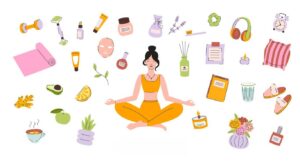
In recent years, self-care has become a cultural mantra. Social media feeds overflow with images of scented candles, bath bombs, herbal tea, skincare routines, and quiet mornings with journals and yoga mats. These rituals can absolutely be meaningful. They can slow us down, soothe our nervous systems, and create moments of peace in a chaotic world.
But when it comes to clinical depression, self-care is often misunderstood, and sometimes unintentionally minimized. A bubble bath can help you relax, but it cannot treat a serious mental health diagnosis. Understanding the difference between wellness practices and clinical treatment is essential, both for people living with depression and for those who care about them.
Major depressive disorder is a medical diagnosis involving complex changes in brain chemistry, stress response systems, and cognitive patterns. It affects how a person thinks, feels, and functions, often in ways that cannot be reversed by lifestyle changes alone. When someone is clinically depressed, even basic tasks like getting out of bed, showering, or replying to a text can feel overwhelming. In those moments, suggesting “more self-care” can unintentionally feel like telling someone to fix a broken leg with a scented candle.
What Self-Care Actually Is
Self-care refers to the intentional practices we use to support our physical and emotional well-being through daily choices and habits. It’s about identifying your needs and taking steps to maintain them, and research shows it promotes resilience, health, and quality of life. At its core, self-care is really about basic daily rhythms.
Physical self-care includes things like getting adequate sleep, eating balanced meals, moving your body, managing chronic health conditions, and actually showing up to medical appointments. Emotional self-care involves identifying and expressing feelings, practicing self-compassion, setting healthy boundaries, and processing stress in constructive ways. Mental self-care might look like engaging in meaningful activities, practicing mindfulness, limiting screen time, or journaling. And social self-care is about maintaining supportive relationships, building new connections, and seeking community.
A few common myths worth addressing:
- Self-care is a luxury or indulgence. It doesn’t have to be fancy or expensive. Going for a walk or putting your phone down counts.
- Self-care should always feel good. We won’t always feel like doing it, and it won’t always be enjoyable, but these practices are necessary to maintain basic functioning.
- Self-care is selfish. It’s actually a form of responsibility. When we neglect our own needs, we’re more likely to experience burnout, resentment, and emotional exhaustion. Caring for yourself helps maintain the capacity to care for others, perform effectively at work, and engage in relationships in a healthy way.
When Self-Care Isn’t Enough
Mental health professionals generally recommend seeking support when symptoms are persistent, worsening, or interfering with daily life. The clinical symptoms of depression include depressive symptoms lasting more than two weeks, such as persistent sadness, emptiness, or emotional numbness; loss of interest in activities that once felt enjoyable; and low motivation or difficulty completing daily tasks.
Physical and cognitive changes are also common: significant disruptions in sleep, changes in appetite or weight, fatigue that doesn’t improve with rest, and difficulty concentrating or making decisions. Emotionally, depression can bring feelings of worthlessness or excessive guilt, increased irritability or hopelessness, and social withdrawal. In more serious cases, symptoms may include thoughts of death or suicide, a sense that life has no purpose, or harmful coping behaviors. (If you or someone you know is experiencing thoughts of suicide, please reach out to the 988 Suicide and Crisis Lifeline by calling or texting 988, where support is available 24 hours a day, 7 days a week.)
If any of these resonate, it may be time to take the first step toward professional help.
The First Step: Professional Support
Therapy provides a structured and supportive environment where individuals can explore the root causes of their distress while building coping tools. In therapy, you can expect to work with evidence-based approaches to understand patterns in your thoughts and emotions, learn skills for managing stress and negative thinking, process trauma or difficult experiences, and improve communication in your relationships. For some people, therapy alone significantly improves symptoms, but when symptoms are moderate to severe, it’s often combined with medication. Read our blog to learn more about what to expect in your first therapy session.
Medication management involves working with a psychiatrist or prescribing provider to determine whether antidepressants or other medications might help. Medication doesn’t change a person’s personality or erase life’s challenges, but it can reduce the intensity of symptoms, making it easier to engage in therapy and daily life. It may be recommended when depression significantly interferes with functioning, when therapy alone hasn’t been enough, or when there’s a history of recurring depressive episodes.
When Traditional Treatments Aren’t Enough
Some individuals experience treatment-resistant depression, meaning their symptoms haven’t improved after trying multiple medications or therapy approaches, or who have experienced difficult medication side effects. In these cases, additional evidence-based options may be recommended.
Transcranial Magnetic Stimulation (TMS) is a non-invasive, FDA-cleared treatment that uses gentle magnetic pulses to stimulate nerve cells in areas of the brain responsible for mood regulation. Sessions typically last around 20 minutes, require no anesthesia or sedation, and patients are able to carry on with their normal daily activities afterward as there are no systemic side effects.
SPRAVATO® (Esketamine) is an FDA-approved nasal spray for treatment-resistant depression that works more rapidly than traditional antidepressants by targeting different brain pathways involved in mood regulation. It is self-administered in a certified clinical setting where patients are monitored and is often considered for people experiencing severe or persistent depressive symptoms needing more immediate relief.
Self-Care and Clinical Care Can Work Together
Self-care practices such as maintaining routines, staying connected with supportive people, and moving your body remain genuinely valuable even when clinical treatment is involved. However, for individuals experiencing clinical depression, these practices are most effective when paired with appropriate medical and psychological support.
Mental health care works best when we move beyond the idea that people should simply “handle it on their own,” and instead recognize that support, treatment, and compassion are essential parts of healing.