
If you or someone you love is navigating a mental health diagnosis, you may be exploring different options for support. And along the way, you might have come across music therapy as an instrumental part of treatment. Music therapy uses music to promote emotional healing, reduce symptoms, and support overall well-being.
What Is Music Therapy?
Music therapy is an evidence-based treatment that uses music interventions to accomplish individual goals within a therapeutic relationship. It is facilitated by credentialed professionals who are trained not only in music but also in psychology and healthcare. Therapy sessions may involve listening to music, songwriting, singing, or music play and are always personalized to fit one’s specific emotional, cognitive, or physical needs.
You do not need to be a musician or have any musical background to benefit from music therapy. What matters more is your openness to engaging in a process that uses music as a path to healing and growth.
A Brief History of Music Therapy
The roots of music therapy go back centuries, with evidence of music being used for healing in ancient Greece and Indigenous cultures. Its modern clinical form began taking shape after World War I and II when musicians volunteered in veterans’ hospitals to support soldiers coping with trauma. The positive effects were so significant that medical staff began requesting trained professionals, which led to the formal development of music therapy education programs in the 1940s.
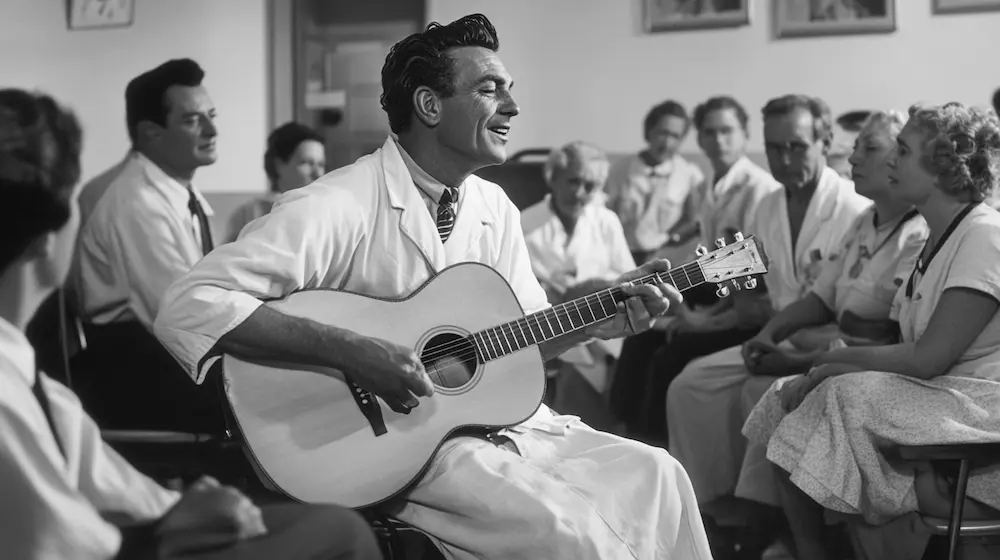
Since then, music therapy has evolved into a respected, research-supported discipline used in a wide range of healthcare settings. Today, it is widely integrated into mental health programs, hospitals, schools, and rehabilitation centers worldwide.
How Music Therapy Supports Mental Wellness
Music has a profound impact on your emotional and mental state. When used intentionally in a therapeutic setting, it can promote insight, release stress, and foster emotional resilience. Here are some of the key benefits of music therapy for people living with mental health diagnoses.
Depression
If you are experiencing depression, music therapy can offer a safe space to process emotions and reconnect with your inner motivation. It can help you identify and express feelings that may be difficult to articulate.
Studies have shown that engaging in musical activities, such as songwriting or improvisation, can increase self-esteem, reduce feelings of hopelessness, and even enhance social interaction. Many patients also report a decrease in depressive symptoms over time, particularly when music therapy is part of a broader treatment plan tailored to their goals.
Anxiety
Music therapy can also help regulate the nervous system of people dealing with anxiety. Slow-tempo music has been shown to lower heart rate and reduce cortisol release, the body’s primary stress hormone. In some cases, a reduction in blood pressure is also observed during or after sessions. Through guided sessions, you can learn how to use rhythm and melody to support relaxation, increase focus, and regain a sense of control in your day-to-day life.
Post-Traumatic Stress Disorder (PTSD)
For patients living with PTSD, music therapy provides a nonverbal way to process traumatic experiences. It can help reduce hyperarousal symptoms, improve emotional regulation, and foster trust in the therapeutic relationship. Some programs use drumming or improvisational methods to help process stored trauma and foster reconnection with the body and emotions. Over the long term, this can improve physical health, resulting in emotional stability.
Dementia
Music therapy is also used to support people with dementia, helping to trigger memories, improve communication, and reduce agitation. Even when language skills decline, musical memory often remains intact. Patients often find comfort and joy through familiar songs, which can enhance their quality of life and strengthen relationships with caregivers.

Palliative Care
For those receiving palliative care, music therapy offers a gentle and meaningful way to ease emotional and physical discomfort, reduce anxiety, and create space for connection and reflection. This treatment may promote relaxation, share cherished legacy songs, or provide a sense of presence through music. It can bring a sense of peace and dignity to patients and their loved ones during a deeply personal time.
The Science Behind Music’s Impact on the Brain
Your brain responds to music in remarkable ways. Listening to or creating music can stimulate multiple areas of the brain at once, including those involved in emotion, memory, language, and movement.
- When you listen to a tune that you enjoy, your brain releases dopamine, a chemical linked to pleasure and motivation. This can help minimize sadness, apathy, or any other low vibes.
- Music also affects our limbic system, which plays a key role in processing emotions. Through repeated engagement, music therapy can help establish new neural pathways that promote emotional regulation and resilience.
- Additionally, music has been shown to lower cortisol levels, thereby reducing the physiological symptoms of stress.
- Research has shown that soothing music can activate the parasympathetic nervous system, which helps calm the body and mind. This response helps lower the physical effects of stress and supports emotional balance.
Who Can Benefit from Music Therapy?
Music therapy is accessible to people of all ages and stages of life. A child navigating emotional challenges, a teen adjusting to life transitions, an adult managing a mental health diagnosis, or a senior seeking meaningful engagement, whoever it may be, music therapy can be adapted to meet a client’s unique needs.
There is no requirement to play an instrument or read music. Sessions are guided by a board-certified music therapist who tailors each session to your goals, comfort level, and personal preferences. Music therapy complements participation in a support group, offering additional emotional outlets and building a sense of community.
Music Therapy and Holistic Care
Music therapy is a powerful complement to traditional evidence-based treatment approaches, offering a pathway to healing that supports the whole person—mind, body, and spirit. As part of a holistic care plan, it can be integrated alongside psychotherapy, medication, and other interventions to support emotional expression, reduce distress, and promote overall well-being.
It is essential to remember that music therapy should not replace other evidence-based treatments. Instead, it can serve as a valuable component of a personalized treatment plan, working in conjunction with psychotherapy, medication, or other modalities.
If you’re curious about trying music therapy, consider asking your healthcare provider for a referral or seeking out a board-certified music therapist through the American Music Therapy Association (AMTA). Many therapists offer both in-person and virtual sessions, making it easier than ever to find support that fits your needs.
Empowering Your Healing Journey
While music therapy is not a service provided at Relief Mental Health, we offer other treatments to support your goals and help you feel seen and heard. If you’re navigating depression, anxiety, PTSD, OCD, bipolar disorder, or other mood or thought diagnoses, we offer care rooted in evidence, personalized care, and innovation.
Explore additional resources, such as Unlocking the Brain: How QEEG Guides Personalized Mental Health Care. You can also schedule a consultation with one of our trusted mental health professionals to begin building a personalized treatment plan tailored to your goals and vision for recovery.